


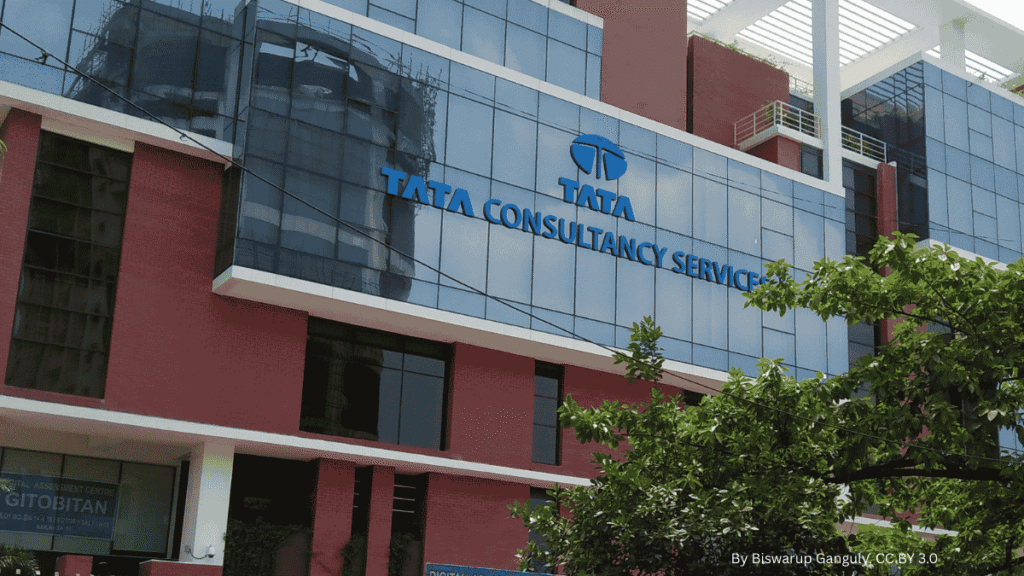
The TCS layoffs protest has emerged as a major issue in India’s IT sector in 2025, following Tata Consultancy Services’ announcement of workforce reductions affecting approximately 12,000 employees worldwide. This blog delves into why the TCS layoffs protest has gained such prominence, what is happening on the ground, the company’s official stance, and the key demands from employees and unions.
Understanding the TCS Layoffs Protest: Why Are Employees Protesting?
The core of the TCS layoffs protest lies in the impact on mid- and senior-level employees, with labor unions such as the Union of IT & ITES Employees (UNITE) and the Centre of Indian Trade Unions (CITU) claiming the actual layoffs could reach up to 30,000 to 40,000 workers—well above the company’s officially reported 12,000.
Workers accuse TCS of replacing experienced professionals with newly hired fresh graduates paid much lower salaries—sometimes 80-85% less—undermining job security and long-term welfare. The protests highlight fears of an unfair cost-cutting strategy rather than any genuine business necessity since TCS continues to report robust financial performance.
Unions at the heart of the TCS layoffs protest also call for investment in upskilling existing employees instead of mass dismissals, aiming to protect livelihoods and encourage sustainable growth.

What Is Happening Amid the TCS Layoffs Protest?
The TCS layoffs protest has resulted in large-scale demonstrations, particularly in Chennai, a key hub for TCS operations. Employees label the layoffs as an act of “corporate greed” and “unfair treatment.” There are increasing appeals for the government to intervene and regulate the company’s labor practices.
Concerns have further escalated due to reports that some employees are being pressured to resign quickly, and difficulties accessing proper training tools to meet evolving skill demands. These factors are intensifying unrest and fueling the ongoing protests.
ALSO READ : Asia Cup 2025: India Squad, Full Match Schedule, Venues & Where to Watch Live in India
TCS’s Response to the Layoffs Amid the Protest
In reaction to the TCS layoffs protest, TCS denies the claims of massively larger layoffs, reiterating that only 12,000 employees, or roughly 2% of its workforce, will be impacted. The company states that these changes are crucial to evolving into a “future-ready” workforce aligned with technologies like AI, cloud computing, and digital services.
TCS stresses that the layoffs are part of necessary business realignment amid global economic uncertainties, not due to financial distress or automation alone. Severance benefits and transition support are being offered to affected staff as part of the process.
Key Employee and Union Demands in the TCS Layoffs Protest
The TCS layoffs protest has crystallized several core demands from employees and labor unions:
- Immediate withdrawal of the layoff plan
- Government intervention to safeguard employee rights
- Greater focus on reskilling and training existing employees
- Transparent and fair severance pay for affected workers
- Ending coercive forced resignations or unfair exit procedures
What the TCS Layoffs Protest Means for the Indian IT Industry
The TCS layoffs protest reflects broader challenges as Indian IT companies adapt to rapid technological changes and economic pressures. While management argues restructuring is essential to stay competitive, workers emphasize the human cost and call for more inclusive approaches.
This confrontation also brings attention to wage disparity issues, as top-level executives reportedly receive significant pay increases even as mass layoffs happen.
The ongoing protests and union activism will shape future labor policies and corporate strategies in India’s IT sector.
Conclusion: The Way Forward Amid the TCS Layoffs Protest
The TCS layoffs protest underscores the pressing need for balance between corporate growth and employee welfare. Transparent communication, investment in workforce development, and fair transition support are crucial for rebuilding trust.
This situation remains a key test case for India’s IT industry, policymakers, and labor relations going forward. How TCS and stakeholders respond could set lasting precedents that influence not only organizational practices but also the livelihoods of thousands of IT professionals.